-
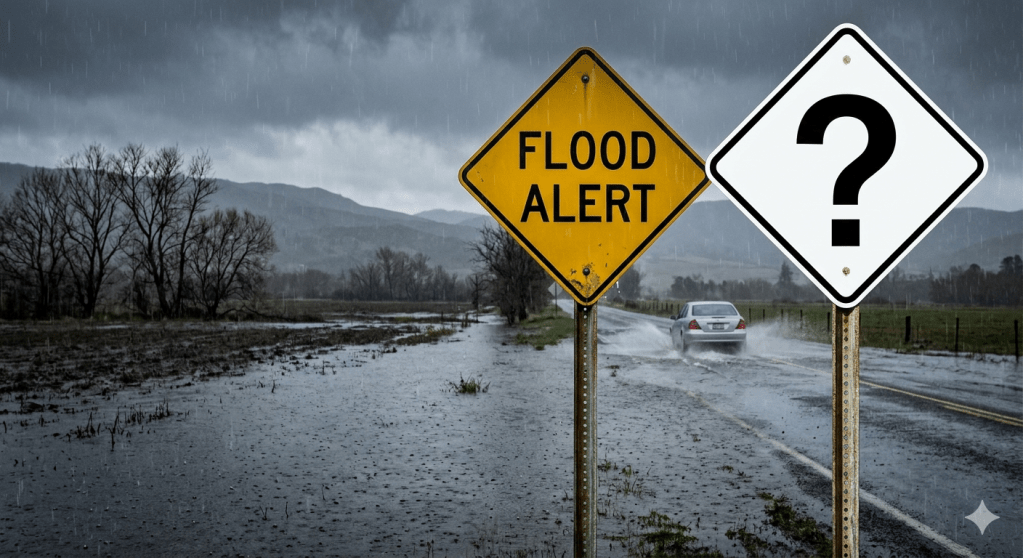
Beyond the Forecast: Turning Weather Alerts into Early Action
Read more: Beyond the Forecast: Turning Weather Alerts into Early ActionBy Naome Faith | FloodGuard Bioballs | Beyond the Forecast Blog Every year, Africa’s meteorological departments release hundreds of forecasts. We know when the rain will come, and yet, floods still take lives, destroy roads,…
-
Mental Health in a Changing Climate
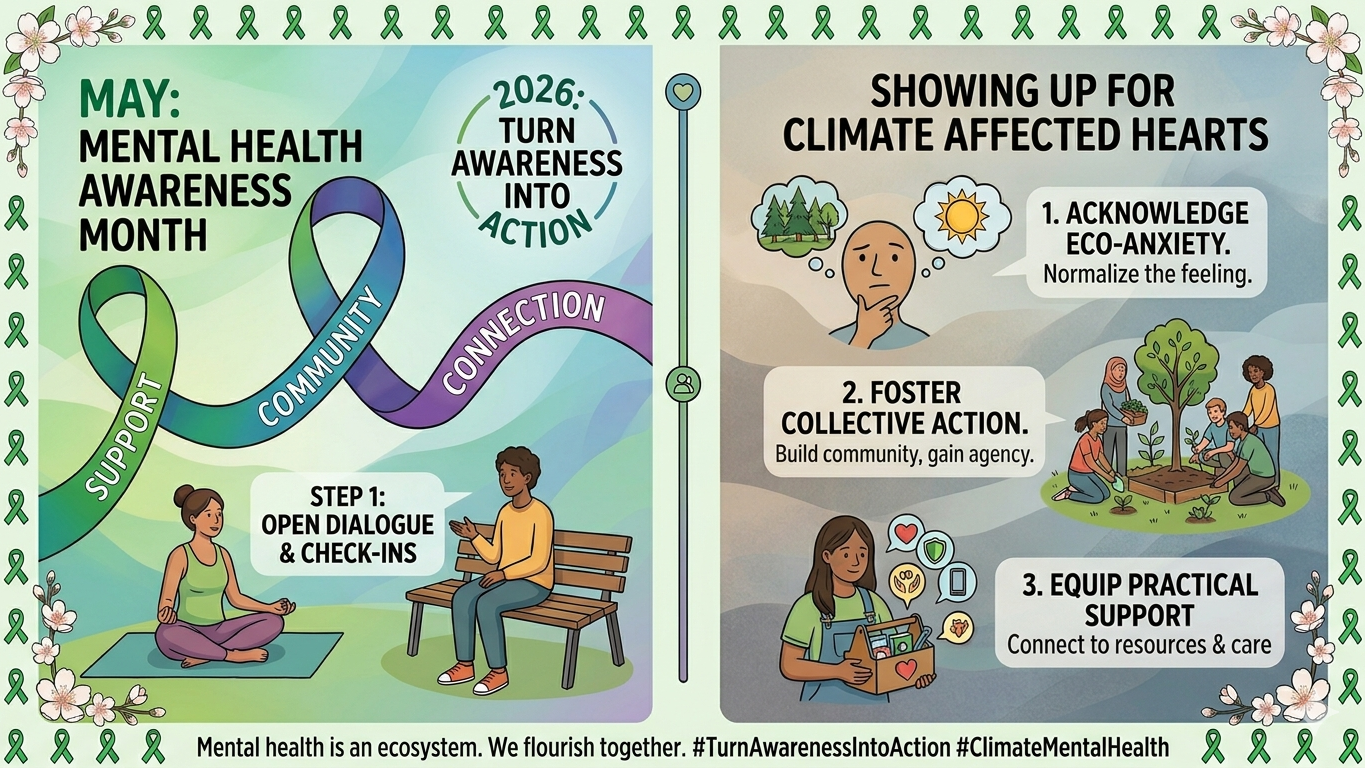
As we move through May, which is Mental Health Awareness Month, I’ve been thinking a lot about how our environment and the changes we’re seeing in it, affects our inner peace. It is one thing to talk about the weather, but it’s another to talk about how the “storm” feels inside of us.
Climate change is a lived experience that can take a heavy toll on our mental well-being. When we see our surroundings changing rapidly, it’s natural to feel a sense of eco-anxiety, a deep-seated worry about the future of our planet.
Understanding the Different Faces of Climate Crises
Climate crises don’t look the same for everyone. Depending on where you are, the “crisis” might take different forms:
- Floods: These can happen suddenly, destroying homes and livelihoods in an instant, leaving behind a long trail of trauma and uncertainty.
- Droughts: A slower, “creeping” crisis that can lead to food insecurity and massive stress for those whose lives depend on the land.
- Extreme Heat: Rising temperatures don’t just affect our physical health; they can increase irritability and exhaustion, making it harder to cope with daily life.
- Loss of Biodiversity: Seeing the plants and animals we grew up with disappear can lead to a specific kind of grief called “solastalgia”—the distress caused by the loss of a home environment.
How We Can Show Up for Each Other
The good news is that we don’t have to carry this weight alone. Here are a few ways we can support those around us who are feeling the mental weight of these crises:
- Acknowledge the Feeling: If someone is worried about the planet, don’t dismiss it. Normalize the feeling. Validating someone’s eco-anxiety is the first step toward helping them manage it.
- Foster Collective Action: Sometimes, the best antidote to anxiety is action. Getting involved in local community projects, like tree planting or waste reduction, can help people regain a sense of agency and connection.
- Equip Practical Support: Sometimes support means help with the basics. Whether it’s sharing resources, helping with a local initiative, or just being a listening ear, showing up in practical ways makes a world of difference.
Mental health is an ecosystem. Just like the earth, we flourish best when we support each other and grow together. Let’s make this May about turning our awareness into action.
#TurnAwarenessIntoAction #ClimateMentalHealth
 FloodGuard Bioballs Blogs